
Sep 30, 2026Buying Guides
How to Choose Cake Boxes for Delivery and Transport
How to choose cake boxes for delivery and transport: snug board-matched sizing, wall strength, headroom, side-load and handle styles, anti-slide support, plus a scenario chart for couriers and events.
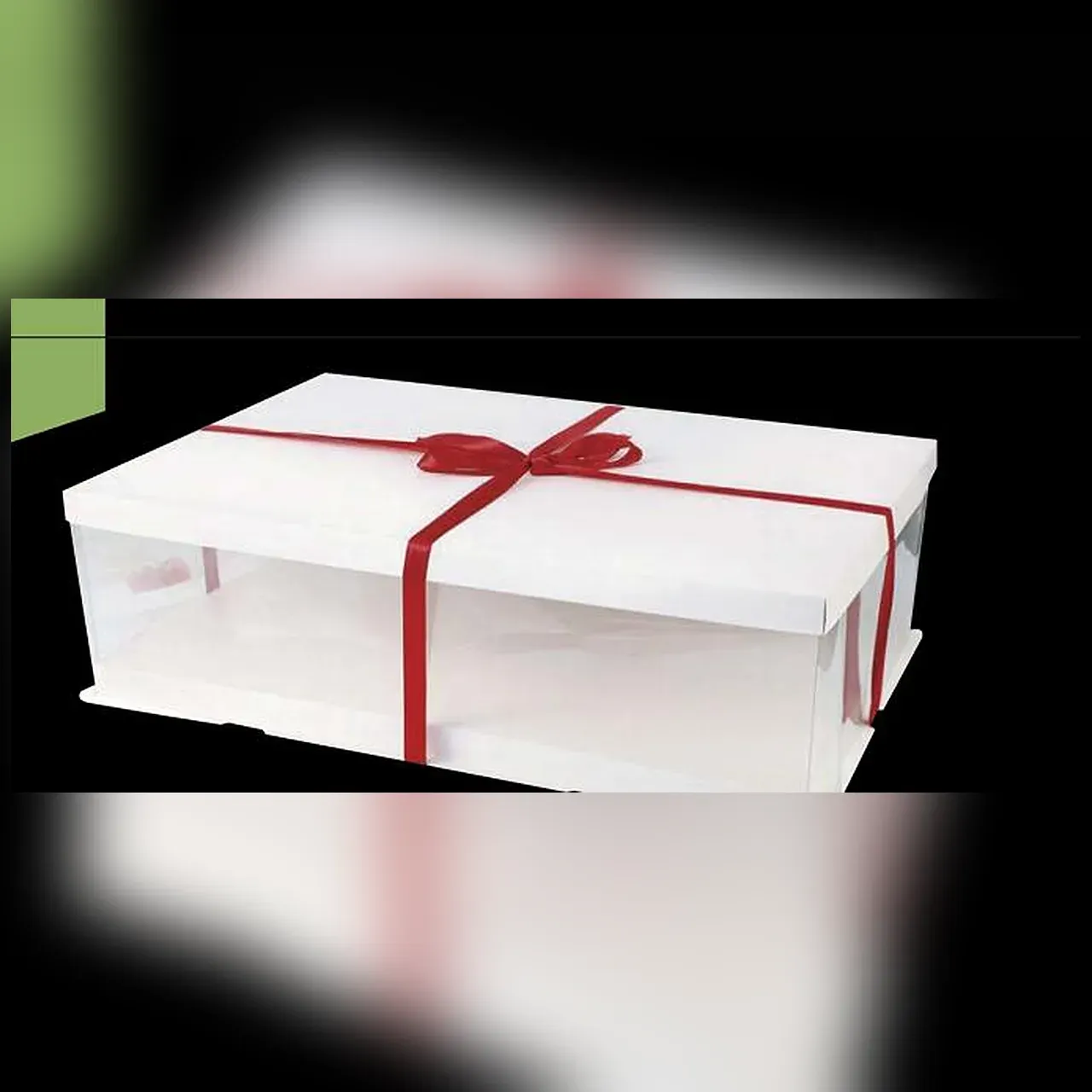
A cake can look perfect on the counter and still arrive at the customer's door as a disaster. Between your bakery and that door sit speed bumps, hard brakes, stack-mates in a delivery bag, temperature swings and a courier who carries it sideways. The delivery box is the last line of defense for every cake you sell, and choosing it well is the difference between a five-star review photo and a refund request. This guide walks through the five rules of choosing cake boxes specifically for delivery and transport - size, strength, height, internal support and features - plus a scenario table and a bulk-ordering checklist.
The Quick Answer
A delivery-safe cake box fits the cake board snugly, leaves at least 1 inch of headroom above decorations, has rigid walls that survive stacking, and holds the board in place so nothing slides. If you only remember one rule: movement is the enemy - every feature you pay for exists to stop the cake from moving inside the box.
Why Delivery Changes Everything
In the shop, a box mostly needs to look good. In transit, it takes real punishment:
- Braking and cornering throw the cake forward and sideways with more force than decorators expect - this is how borders smash into sidewalls
- Stacking - the box must carry the weight of other orders, a delivery bag or a strap pressing down on it
- Humidity and temperature swings soften weak board and fog window film on chilled rides
- Handling angle - couriers tilt boxes, so the box needs to protect the cake even when it is not perfectly level
A box that is only pretty is a display box. A delivery box is engineered to take these hits.
Rule 1: Size - Snug Is Safe
Size the delivery box to the cake board, not the cake. The board should fit the box base with no free play - if the board can slide 2 cm, the cake can too. The working rule stays the same as for counter boxes: board = cake diameter + 2 inches, box = board size. See the full cake box size chart for 6-16 inch cakes here.
Never upsize a delivery box "to be safe." Extra room is not safety - it is free travel distance for the cake to build up speed before impact. If you must use a slightly oversized box, fix the board with an anti-slide pad or a folded grip sheet underneath.
Rule 2: Strength - Buy the Walls
Wall construction is what separates a delivery box from a gift box:
- Single-wall corrugated (E-flute) - fine for light cakes on short counter-to-car runs
- Double-wall corrugated - the delivery standard; carries stacked orders without crushing, protects corners when boxes lean in a van
- Food-grade liner - keeps the interior clean and grease from staining the visible outer face
Test, do not assume: place your heaviest realistic order inside, stack two more boxes on top, and drive the normal delivery route. If the walls deform, upgrade the construction before you scale the order.
Rule 3: Height and Box Style
Delivery adds a height problem the counter never had - toppings, toppers and swirls that never touched the lid in the shop will meet it on the first speed bump.
- Headroom rule: at least 1 inch of clear space above the tallest decoration; more for fresh flowers and large toppers
- Top-load boxes (lid from above) - standard, fast to pack, best for stable cakes
- Side-load boxes - slide the board in level; the safest style for tall and soft cakes, because the cake never tips during packing
- Handle boxes - the courier carries from the handle, not by hugging the box; fewer tilt accidents
- Dome lids - give cream-dome desserts vertical clearance without touching
For delivery, side-load and handle boxes earn their extra cost on every single run.
Rule 4: Stop the Slide - Internal Support
The box can be strong and still deliver a wrecked cake if the board slides inside it. Lock the base:
- Anti-slide pads or grip sheets under the board - the cheapest insurance in cake delivery
- Inserts for cupcakes, slices and pastries - each piece held in its own cell cannot collide
- A drum under the board - a rigid 12-15 mm cake drum stops the base from flexing on long or rough routes, especially for heavy and tiered cakes
- Cold transport: keep boxed cakes level and chilled; a cake that firms up in the fridge travels far better than a soft one
Rule 5: Features That Earn Their Keep
- Window or no window? Windows sell cakes but add a failure point in transit - film can fog, flex inward under stacking pressure, or touch a swirl. For courier delivery, prefer a small window on the lid face; for direct handover, windows are safe and beautiful
- Grease-resistant coating - buttercream contact leaves no visible marks on the outside during a long ride
- Vent holes - matter if cakes travel chilled and then meet warm air; they reduce condensation inside the box
- Easy-open tear strip - customers unpack without wrestling the box (and the cake) at the door
Match the Box to the Delivery Scenario
Delivery Scenario | Box Type | Key Features |
|---|---|---|
Counter pickup | Top-load single wall | Window, presentation finish |
City courier (scooter/bike) | Double-wall, handle or side-load | Headroom, anti-slide pad |
Long-distance courier / shipping | Double-wall + drum base | Snug fit, insert, strong closure tape |
Wedding / event setup | Extra-large box per tier or drum-rigged base | Side-load, tall height, rigid base |
One box line rarely covers all four scenarios - plan your stock by how your orders actually travel.
Before You Order in Volume
- Test with real cakes first - order samples of each size and run your worst delivery route before committing to MOQ
- Confirm per-size minimums - box factories quote MOQ per size and print; your busiest size sets the order rhythm
- Custom printing needs lead time - artwork approval plus production; plain stock is the fast replenishment option
- Order ahead of peak seasons - delivery volumes jump on holidays, and so do lead times
Frequently Asked Questions
Is a bigger box safer for delivery?
No. A bigger box gives the cake room to accelerate before it hits the wall. Snug fit plus internal grip is what protects the cake.
Top-load or side-load for delivery?
Side-load is safer for tall, soft and heavily decorated cakes because they slide in level. Top-load is fine for stable cakes and faster to pack.
Do windows break in transit?
Quality window film survives normal delivery, but stacking pressure can flex it inward. For courier-shipped cakes, keep windows small or go windowless.
How do I stop the cake from sliding in the box?
Three layers of defense: an anti-slide pad under the board, a board that fits the box base snugly, and inserts for anything loose.
Can customers reuse delivery boxes?
Double-wall boxes survive several handovers, which is why bakeries selling to cafes and restaurants often choose reusable-grade construction.
Conclusion
Delivery success is bought at the packing table: a snug board-matched box, real headroom, walls that carry stacking, and a base that never slides. Treat the box as part of the product your customer receives - because in online reviews, it is. Rongxing Shide manufactures delivery-grade cake boxes in standard and custom sizes, with double-wall construction, side-load and handle styles, inserts and printed branding, plus matching cake boards and drums from 4 to 30 inch. Contact us for samples and a delivery-test quotation before your next order.
