
Buying Guides
Cupcake Boxes with Inserts: A Buying Guide
Cupcake boxes with inserts explained: pulp vs PET vs corrugated inserts, cavity sizing by cupcake base, box styles, count chart from 4 to 24, and buying tips for retail, delivery and shipping.
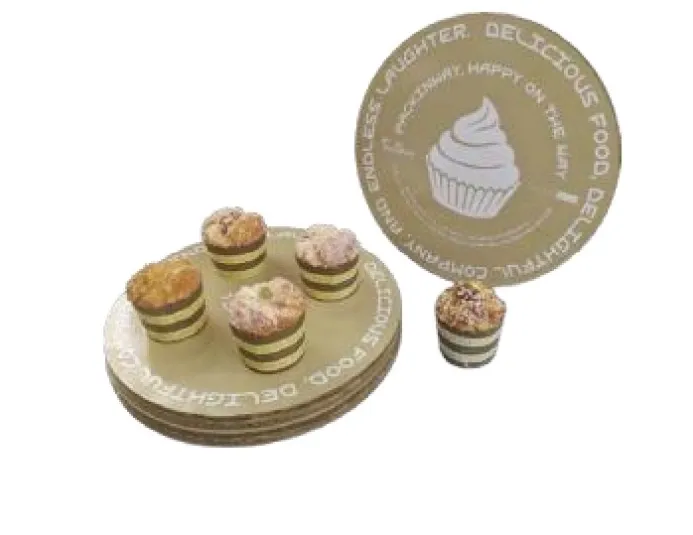
Cupcakes are the most travelled product in any bakery - and the most fragile. A cake arrives damaged, the customer complains; a cupcake arrives with its frosting kissed against a neighbour, the whole box looks wrong. The difference between the two is almost never the box: it is the insert inside it. A cupcake box without an insert is just a bag with walls. This guide covers everything a buyer needs to specify cupcake boxes with inserts correctly: insert types, cavity sizing, box styles, count layouts, and how to match the pack to counter sale, delivery or shipping.
The Quick Answer
Choose the insert by product and journey: molded pulp for everyday bakery counts, clear PET for premium display, die-cut corrugated for eco branding and shipping. Match the cavity to your cupcake base (standard 48-52 mm), pick the count that fits your average order (4, 6 and 12 are the workhorses), and buy the box style for where it travels - window box for the counter, handle box for local delivery, double-wall shipper for courier.
Why Inserts Matter More Than Boxes
Cupcakes fail in three specific ways, and all three are solved by the insert, not the box:
- Collision - cupcakes sliding into each other smash frosting sideways; the insert locks each cake in its own cavity
- Tip-over - a tilted box topples loose cupcakes; a snug cavity holds them upright even at 45 degrees
- Frosting contact - lids and walls touching swirls leave marks; inserts set the riding height so decorations never touch anything
Rule of thumb: the box protects the insert, the insert protects the cupcake - buy them as one system, not two products.
Insert Types Compared
Molded Pulp Trays
The industry standard: recycled paper molded into cavities, light, cheap, and obviously recyclable. Pulp holds standard and mini cupcakes securely and suits everyday bakery volumes. Best cost-to-performance for daily retail.
Clear PET / PP Inserts
Rigid plastic trays that look premium and let the whole cupcake show - the choice for gift boxes and display counters. PET is recyclable where facilities exist, but it carries an eco perception cost in some markets. Best for premium and presentation lines.
Die-Cut Corrugated Inserts
Folded or slotted corrugated cells - fully paper-based, printable with your logo (cheap branding on every tray), and strong enough to structure a shipping carton. Best for eco branding and courier-shipped orders.
Foam Inserts
Still seen in some markets, but fading fast: foam protects well yet fails every eco test European and Australian buyers run. Avoid for any brand with sustainability claims.
Cavity Sizing: Get This Right First
Inserts are specified by cavity mouth diameter and depth, and the cupcake by its base - the same board-first logic as full cake boxes. Measure your cupcake base before ordering:
- Standard cupcakes - 48-52 mm base, the default cavity size
- Jumbo cupcakes - 60-65 mm base; a standard cavity will pinch the liner and squeeze frosting upward
- Mini cupcakes - 30-33 mm base; minis in standard cavities rattle and tip
- Depth - the cavity should grip the lower third of the liner; too shallow tips, too deep hides the cake
Send your liner size to the supplier and have the cavity confirmed in writing - "standard" is not a specification.
Box Styles for Cupcakes
- Window boxes with inserts - the counter favourite; a clear lid window over a full tray turns six cupcakes into a display. See window vs plain boxes for the display trade-offs
- Tray-and-lid boxes - a shallow base tray plus tall lid; fast to pack at volume, standard for 12 and 24 counts
- Handle boxes - pickup and local delivery; the handle keeps the box level in a customer's hand
- Double-wall shippers - for courier routes, matching the insert with a rigid outer box; the full transport checklist applies in how to choose cake boxes for delivery
Choosing by Count
Count | Typical Buyer | Recommended Setup |
|---|---|---|
1-2 | Cafes, gifting | Window box, PET or pulp insert |
4-6 | Retail, parties | Window box, pulp insert - the volume workhorse |
12 | Events, bakeries | Tray-and-lid, pulp or corrugated insert |
24 | Catering, wholesale | Double-wall shipper, die-cut corrugated insert |
Stock your best-selling two counts deeply rather than four counts thinly - insert tooling per count adds MOQ you may not need.
Material and Eco Notes
The box and insert do not have to share a material, but matching them simplifies your recycling story: kraft box plus molded pulp insert is a fully paper pack, while duplex gift boxes pair naturally with clear PET. The full material comparison - including print and eco rankings - is in corrugated vs. duplex vs. kraft cake boxes.
Branding on the Insert
The insert is the cheapest branding surface you own. A one-color logo printed on a pulp or corrugated tray shows through every window, appears in every customer photo, and costs a fraction of printing the outer box. Custom printed inserts typically raise MOQ - plan them for your core counts only.
Wholesale Ordering Tips
- Order box + insert from one supplier - matched systems avoid gap tolerances between brands
- Confirm cavity spec in writing - base diameter, depth and liner compatibility per count
- Run the tilt-and-stack test - pack a sample, tilt 45 degrees, stack two boxes, drive the delivery route before committing to volume
- Plan MOQ per count - inserts are tooled per count; mixing 6s and 12s means two minimums
- Seasonal spikes - cupcake demand doubles around holidays; order 6-8 weeks ahead of peak
Frequently Asked Questions
Can I use one insert for standard and jumbo cupcakes?
No. Jumbo bases are 20% wider and will pinch or float in a standard cavity. Specify separate inserts per size.
Are molded pulp inserts food-safe?
Food-grade pulp trays are standard in bakery packaging; confirm direct-food-contact compliance for your market when ordering.
Do inserts work in window boxes?
Yes - window plus insert is the classic cupcake presentation: the insert holds the cakes, the window sells them.
What insert is best for shipping?
Die-cut corrugated, paired with a double-wall outer box. It protects in transit and keeps the pack fully recyclable.
Why do my cupcakes still tip with inserts?
Usually cavity depth or liner size mismatch - the cavity must grip the liner's lower third. Have your liner measured against the insert spec.
Conclusion
Buy the system, not the box: insert type by product, cavity by liner size, box style by journey. Get those three matches right and cupcakes arrive exactly as they were piped. Rongxing Shide supplies cupcake boxes with matched inserts - molded pulp, clear PET and die-cut corrugated - in counts from single-serve to 24, with custom printing, food-grade materials and matching cupcake boards and drums. Contact us for samples and a count-by-count quotation.
