
Buying Guides
Cake Packaging Checklist for Starting a Home Bakery Business
The complete cake packaging checklist for home bakery startups: boxes, boards, greaseproof linings, cupcake boxes, delivery supplies and labels — everything to buy before your first order.
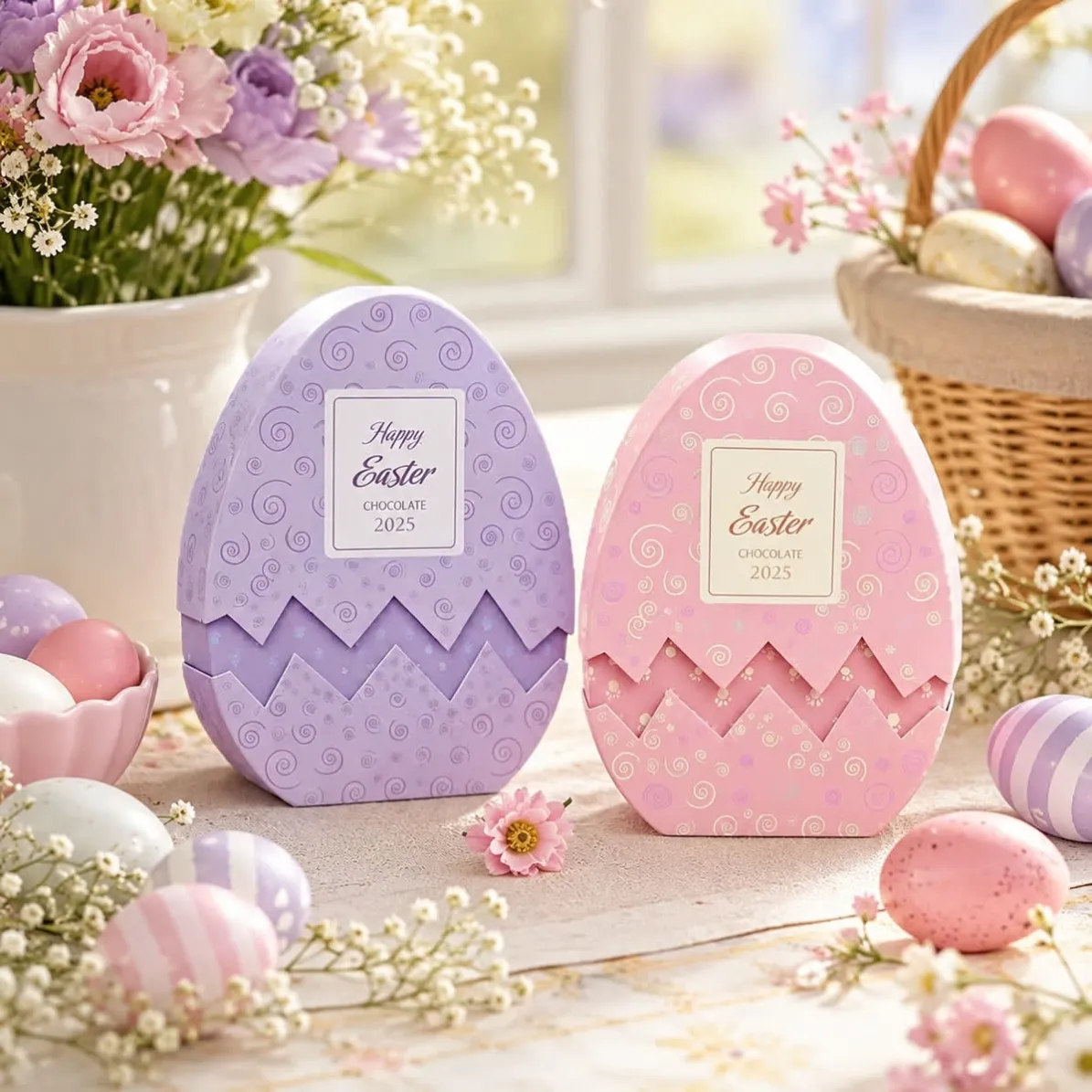
Why Packaging Is Step One of Your Home Bakery Business
When you start a home bakery business, most of your energy goes into recipes, pricing, and finding your first customers. But packaging is what the customer actually sees first — and it decides whether your cake arrives safe, looks professional, and gets recommended to others. Bad packaging can ruin a perfect cake in ten minutes of driving.
This cake packaging checklist covers everything a home bakery startup needs before the first paid order: boxes, boards, linings, cupcake carriers, delivery supplies, labels, and a realistic starter budget.
1. Cake Boxes: Match Every Box to a Cake You Sell
- One box size per menu item. List every cake you plan to sell (8" round birthday cake, 6" cheesecake, 9x13 sheet cake…), then buy the matching box for each. An 8" cake needs a 10" box so the cake board sits flat without sliding.
- Check height, not just length and width. Tall cakes, dome cakes, and cakes with toppers need high-profile boxes — at least 2 inches of headroom above the cake.
- Decide window vs. plain. A window shows off decoration and sells at counters and markets; a plain box protects privacy cakes and travels slightly better. Our window vs. plain cake boxes comparison breaks down the pros and cons.
- Pick the right material. Corrugated for delivery strength, duplex for a clean white look, kraft for an eco-friendly handmade image — see corrugated vs. duplex vs. kraft cake boxes.
- Use a size chart, not guesswork. Follow a proper cake box size chart when ordering.
2. Cake Boards and Drums: Never Skip the Base
- Every cake needs a board 2 inches larger than the cake (8" cake on a 10" board) — this gives you a border for icing, a grip for carrying, and a stable base.
- Use drums (12mm+ thick) for heavy or tiered cakes. Thin boards flex and snap under a 3-tier cake. Learn the difference in cake boards vs. cake drums.
- Match the board to the box. A 10" board inside a 10" box is the correct pairing — the cake cannot slide into the wall during transport.
- Buy boards in mixed bulk packs. Full guide: cake board buying guide.
3. Greaseproof Linings: Protect the Box from the Cake
- Butter cakes, cheesecakes, and oil-based cakes stain boxes. Grease spots read as "unsanitary" even when the cake is perfect. Use greaseproof boxes or food-safe liners for these recipes.
- Line the base of every display box if your cakes are filled with cream or fruit.
- Check the full list of cakes that need protection: greaseproof cake boxes: when you need them.
4. Cupcake and Small Treat Boxes
- Cupcakes must travel upright in inserts — loose cupcakes arrive with frosting smeared on the walls.
- Start with 2-box and 6-box sizes; add a 12-box only if your orders demand it.
- Choose inserts that hold the cake, not the wrapper — see cupcake boxes with inserts: a buying guide.
5. Delivery and Transport Supplies
- Anti-slip matting under every cake board. A $1 pad prevents a $60 cake from sliding into the box wall.
- Boxes labeled "This Side Up" and "Fragile" if a third party ever handles your orders.
- Have a written packing routine — the full method is in how to pack a cake for delivery without damaging it.
- Choose delivery-grade boxes if you ship or courier: how to choose cake boxes for delivery and transport.
6. Seasonal and Holiday Packaging
- Buy holiday-print boxes early — October, not December. Suppliers sell out and shipping slows in peak season.
- Keep holiday stock separate from everyday stock so leftovers don't sit a full year.
7. Branding: Turn Every Box into Advertising
- Start with stickers, not printed boxes. Custom-printed boxes usually start at 1,000–5,000 pcs MOQ — too much for a new home bakery. A branded sticker or stamp gives the same professional touch at 50 pcs.
- Upgrade to custom printing when volume justifies it — steady weekly orders are the signal.
- Consistency beats complexity: one color, one logo, one style across boxes, stickers, and ribbons.
8. Food Safety and Labeling Checklist
- Only use food-contact-grade packaging. Ask your supplier for food-safe certification — plain craft boxes from a stationery shop are not food packaging.
- Label ingredients and allergens on every order — required in most states and countries under cottage food laws, and it protects you in disputes.
- Check your local cottage food rules for packaging requirements (some states require specific wording or your registration number on the label).
- Keep packaging stored clean: sealed containers, off the floor, away from cleaning chemicals.
9. Stock Levels and Starter Budget
- Buy in small mixed quantities first — 25–50 pcs per size — then bulk up the sizes that actually sell. Suppliers with low MOQs (50–100 pcs) are ideal for startups.
- Rotate stock: first in, first used. Cardboard yellows and absorbs smells over time.
- Store flat, dry, and out of sunlight.
Item | Start With | First Order Qty |
|---|---|---|
Boxes (best-selling size) | 10" high-profile, white duplex | 50 pcs |
Boxes (second size) | 8" window kraft | 25–50 pcs |
Cake boards | 10" & 12" mix | 50 pcs each |
Drums | 12" x 12mm | 25 pcs |
Cupcake boxes + inserts | 4 & 6 count | 25 pcs each |
Greaseproof liners | 10" round + sheet | 100 pcs |
Branding | Logo stickers | 100–250 pcs |
The Bottom Line
A home bakery that packs like a professional wins repeat customers from day one. Boxes matched to your menu, boards under every cake, greaseproof where needed, inserts for cupcakes, and a delivery routine — check these off before your first order and you will never lose a cake (or a customer) to packaging again. As a cake packaging manufacturer with low MOQs from 50 pcs, we help home bakeries start small and scale up — get in touch for a starter quote.
